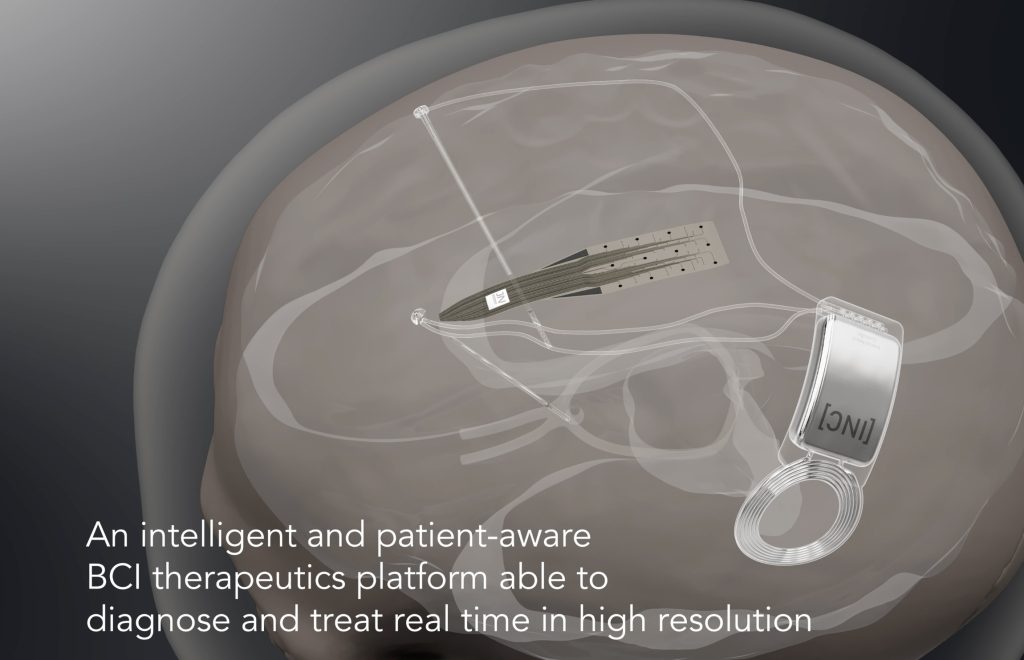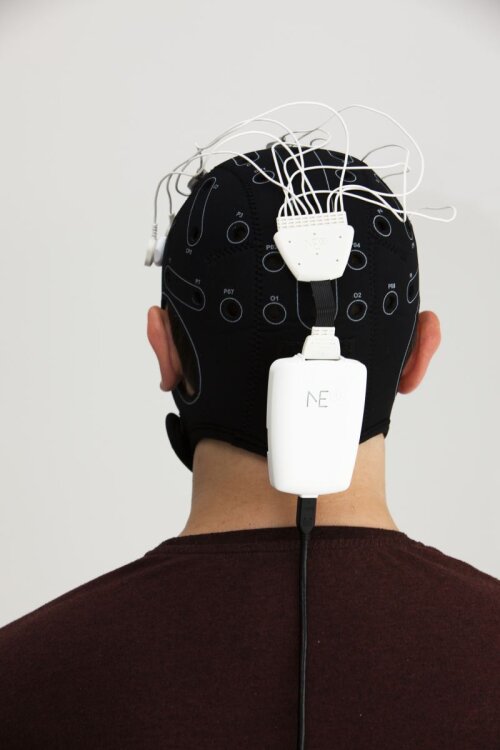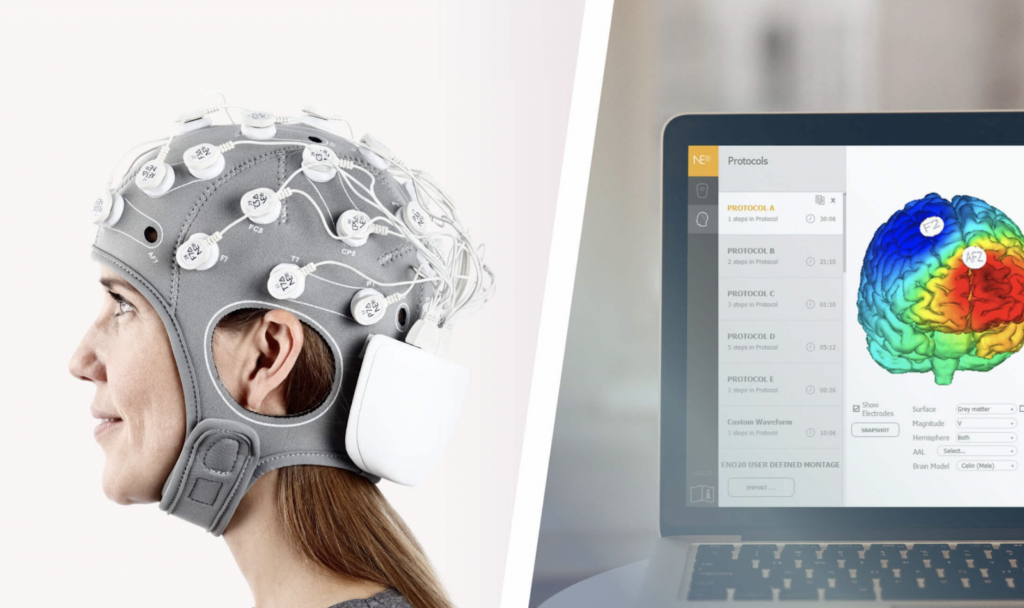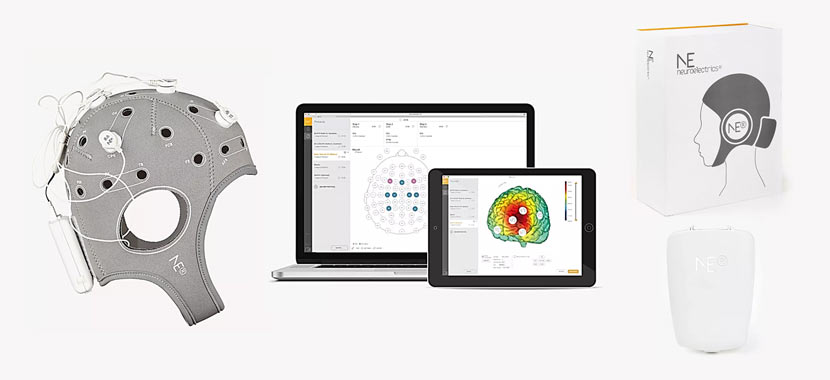

With a strong foundation in embedded systems, neuroscience technologies, and regulated medical software, I design and build reliable, high-performance solutions that operate where precision and safety matter most. Over the past several years, I’ve contributed to the development of medical devices ranging from non-invasive neurostimulators and EEG diagnostics systems to next-generation neural implants for Parkinson’s disease, working across firmware, desktop apps, and cloud-backed tools used in clinical and research environments.
My experience spans low-level ARM Cortex-M firmware, real-time systems, BLE communication stacks, ASIC interfaces, and Qt/C++ desktop applications, as well as the end-to-end ownership of technical documentation aligned with IEC 62304, ISO 14971, and FDA recommendations. I’ve led major software releases, improved algorithms for processing large electrophysiological datasets, optimized low-power architectures, and designed interfaces for breakthrough-designated neuromodulation devices.
Beyond engineering, I regularly act as a bridge between teams — serving as Scrum Master, coordinating development efforts across groups of 5–10 engineers, and supporting international clinical studies by building tools for treatment randomization, patient data management, and EEG/ExG acquisition.
I hold an MS in Artificial Intelligence (Distinction) from the University of London, where I specialized in data science and deep learning applied to archaeology. My career is driven by a simple through-line: building systems that combine rigor, clarity, and long-term reliability, whether in embedded medical devices, desktop software, or multidisciplinary research collaborations.
This blog is where I write about embedded engineering, medical device development, applied AI, system architecture, tools, and the hard-earned lessons from shipping software in regulated, safety-critical domains.